
GLP-1 receptor agonist
Semaglutide
May reduce appetite and increase feelings of fullness. Appropriate medical evaluation and prescribing are required; response, tolerability, dosing and titration vary by patient.
Medical Weight Management · Austin, Texas
Lose the Weight. Measure What Matters.
Medical weight loss should be about more than watching a number fall on the scale. Grace combines medical evaluation, individualized weight-management treatment, body-composition tracking and practical nutrition guidance so we can follow what is actually happening as the weight comes off.

Provider-Guided
Semaglutide & Tirzepatide
InBody Tracking
Nutrition + Muscle Awareness
Austin, Texas
Medical weight loss consultation · Austin
Tell us your goals. Prescribing decisions are made only after a medical evaluation.
Offer ends in
--
Hours
--
Minutes
--
Seconds
The Grace difference
Some programs focus primarily on one measurement: the number on the scale. At Grace, we want to understand more—body composition, nutrition, hydration, lean mass, medication tolerance and how the face and body are changing throughout the process.
We don't just ask
“How much did you lose?”
We also ask
“What did you lose?”
The goal isn't simply to make the scale smaller. It's to support the tissue, nutrition and habits patients want to keep.
Quick answer
Grace's medical weight-management program begins with evaluation of your goals, medical history and treatment candidacy. When appropriate, prescription treatment may include semaglutide or tirzepatide along with individualized follow-up, nutrition guidance and body-composition monitoring. Rather than judging progress from scale weight alone, InBody measurements can help show how fat mass and lean mass are changing throughout the journey. Visits take place at Grace's Central Austin clinic on Northland Drive.
Real Grace Patient
This Grace patient lost approximately 50 pounds during a GLP-1-assisted weight-loss journey. Her aesthetic plan evolved with her: she completed three Morpheus8 Face & Neck treatments and also received lip filler.
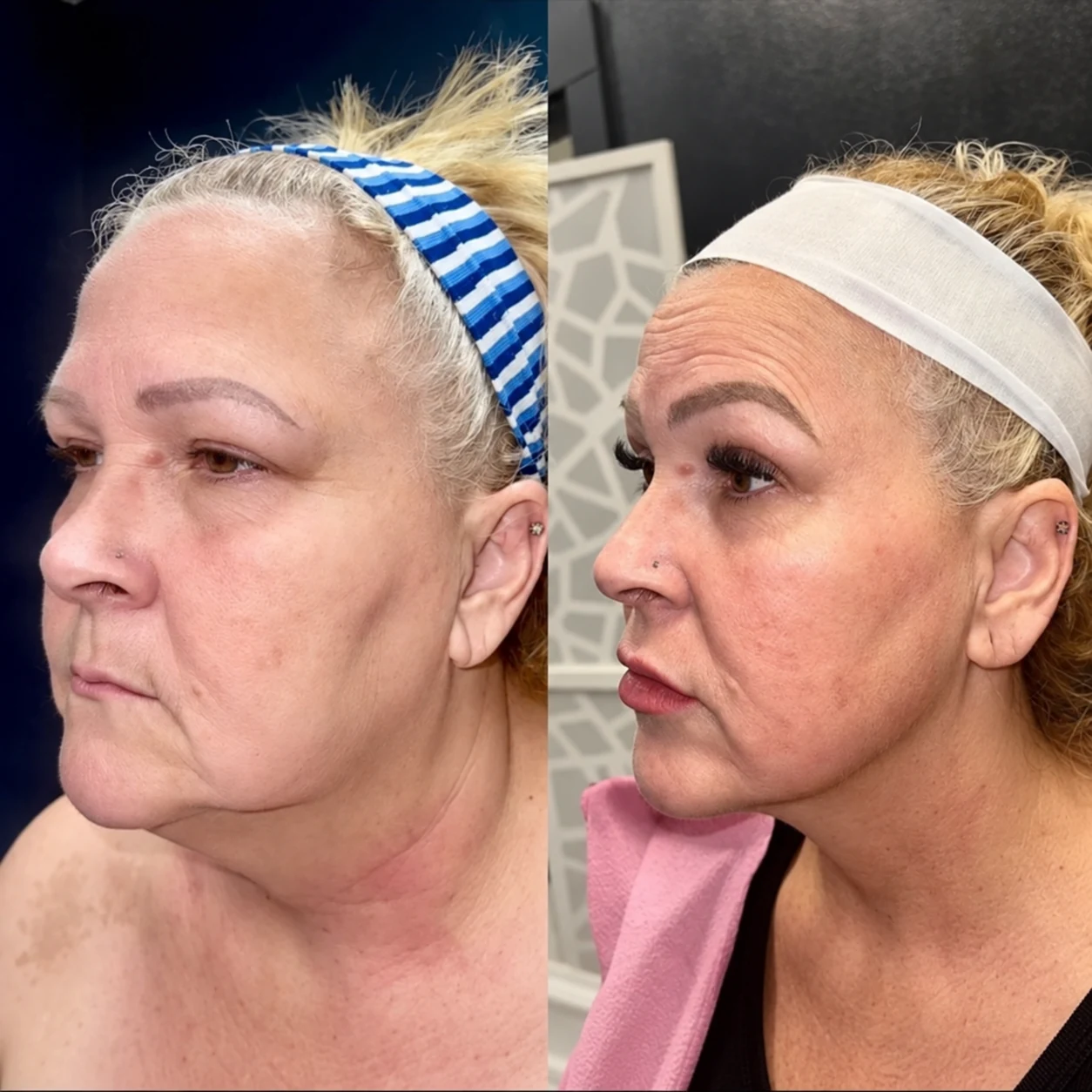
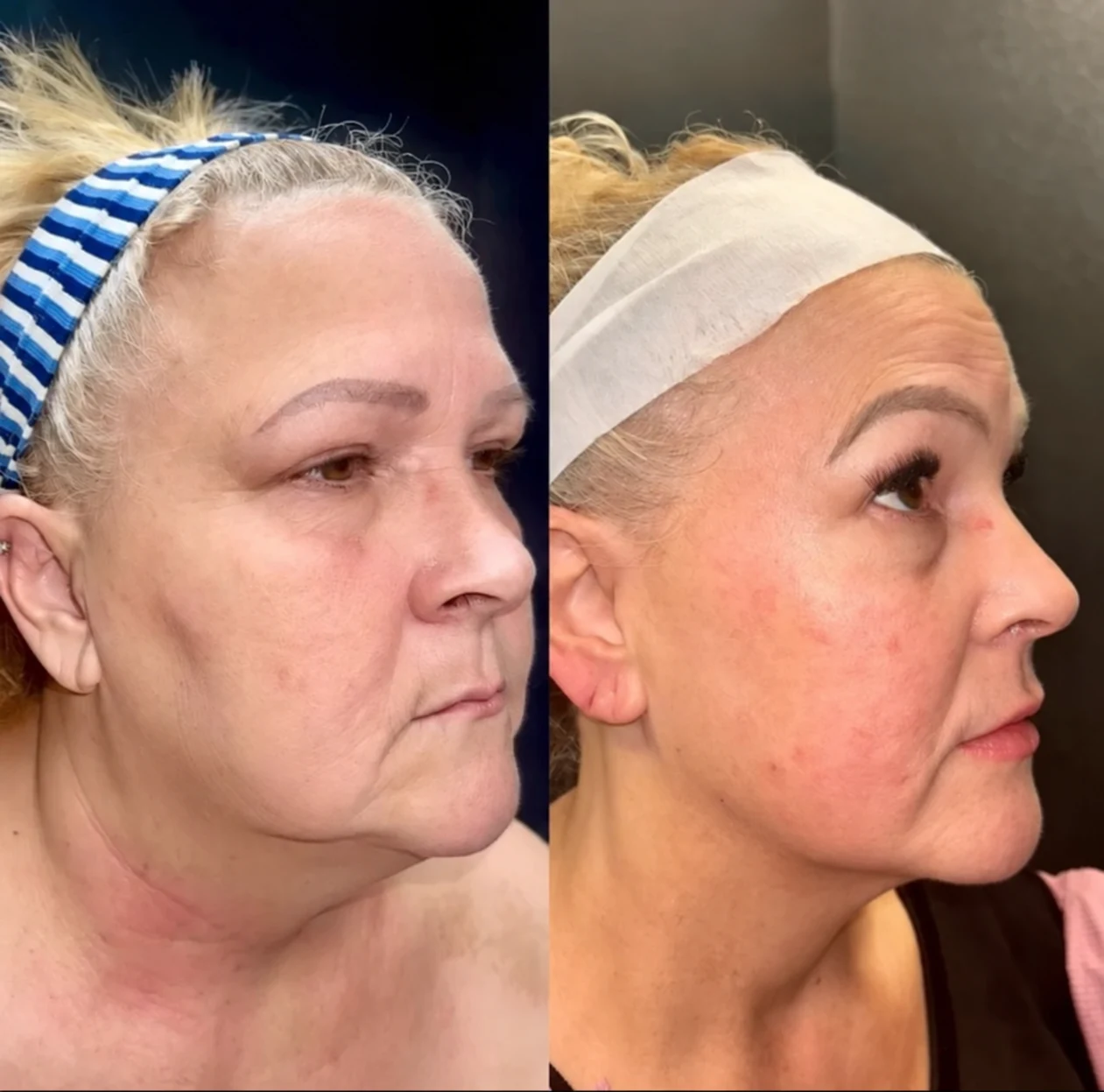
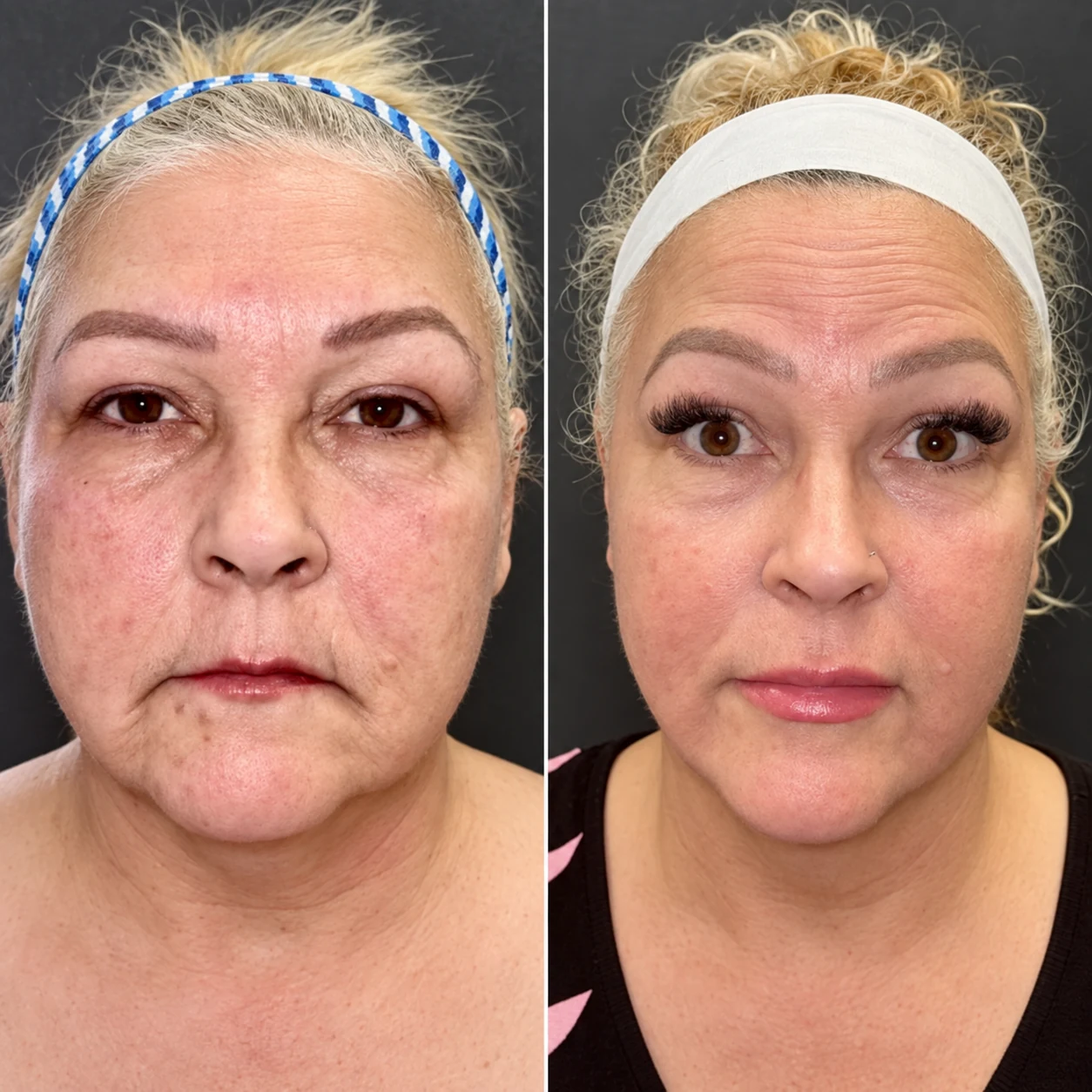
Her case shows that weight loss can change more than the scale. Facial volume and skin laxity are different concerns, and treatment should reflect that difference.
Start here—or add context
Already losing weight? Let's look at what your body is doing while it happens.
Some patients begin with Grace. Others arrive already using semaglutide, tirzepatide or another treatment through another provider. Depending on the situation and medical care arrangement, Grace may discuss body-composition tracking, protein and nutrition habits, hydration, lean-mass awareness, resistance exercise, facial change and evolving body-contouring goals.
A consultation does not guarantee that Grace will assume prescribing responsibility for an outside treatment plan.
Prescription options
GLP-1 receptor agonist
May reduce appetite and increase feelings of fullness. Appropriate medical evaluation and prescribing are required; response, tolerability, dosing and titration vary by patient.
GIP + GLP-1 receptor agonist
May reduce appetite and increase satiety. Appropriate medical evaluation and prescribing are required; response, tolerability, dosing and titration vary by patient.
That decision depends on medical history, treatment history, goals, response, tolerability and the prescribing provider's assessment—not simply which medication is more popular.
Emerging therapy education
Retatrutide is an investigational next-generation medication that acts on three hormone-receptor pathways: GIP, GLP-1 and glucagon. This triple-agonist mechanism differs from semaglutide, which targets GLP-1, and tirzepatide, which targets GIP and GLP-1.
As of September 2026, retatrutide remains investigational and is continuing through late-stage clinical development and the regulatory process. It is not FDA-approved.
GLP-1
GIP + GLP-1
GIP + GLP-1 + glucagon
“GLP-3” is an informal internet nickname sometimes used for triple agonists; it is not the scientific classification of retatrutide.
Our team can answer questions about medical weight-management options and help you understand the evolving treatment landscape based on your goals and medical history.
Measure what matters
A lower number on the scale isn't automatically the whole story. Body-composition measurements can add context about whether changes are coming from fat mass, lean tissue, body water or a combination.
We care about the pounds you lose—but we also care about the pounds you keep.
Your trend, without invented numbers
InBody estimates support trend monitoring and do not replace medical diagnosis.
Lean-mass awareness
Significant weight reduction can include both fat mass and lean mass. This is not unique to GLP-1 medications; it can occur during substantial weight loss from multiple approaches. Maintaining muscle matters for strength, mobility, physical function, metabolic health and long-term body composition.
01
02
03
04
05
Recommendations are individualized for body size, composition, health history, kidney function, medications, age, activity, goals and gastrointestinal tolerance.
Protein first
GLP-1 medications can substantially decrease appetite. That can support weight reduction, but it can also make adequate protein and overall nutrition harder to achieve. Grace emphasizes a protein-forward strategy when medically appropriate.
Adequate protein can help support lean mass during intentional weight reduction, particularly when paired with resistance exercise. For many appropriate adults, evidence-informed targets may commonly fall around 1.2–1.6 grams per kilogram of an appropriate body or reference weight per day—but this is not a universal prescription.
Targets should be individualized for body composition, age, activity, kidney health, medical history, calorie intake, gastrointestinal tolerance and goals. Clinically appropriate targets may be higher or lower.
When appetite is low, start with nutrient-dense protein-rich foods when appropriate rather than filling up first on foods that contribute little protein or nutrition.
Protein first. Produce next. Build the rest of the meal around what your body needs.
The objective is an appropriate calorie deficit while still providing adequate protein, vitamins, minerals and energy. Appropriate targets may consider resting metabolic needs, total daily energy expenditure, current body composition, activity, rate of loss, health history and goals.
The goal is a sustainable calorie deficit—not the lowest calorie number you can tolerate.
Very-low-calorie diets require appropriate medical supervision and should not be casually self-prescribed.
Hydration
Appetite reduction, reduced food intake and gastrointestinal side effects can make hydration worth intentional attention.
Muscle use
If you want your body to keep muscle, give that muscle a reason to stay.
Resistance exercise provides a stimulus to maintain muscle and strength during weight reduction. For healthy adults, general guidance commonly includes muscle-strengthening activity involving major muscle groups at least two days per week, adjusted for health and ability.
Optional adjunct
Nutrition and resistance exercise remain foundational. For appropriate patients, Grace may discuss EvolveX Tone as an optional localized muscle-stimulation and body-contouring treatment. It does not prevent GLP-1-related lean-mass change, preserve whole-body lean mass, replace exercise or substitute for adequate nutrition and protein.
The story underneath
01
Is overall weight moving in the intended direction?
02
How is body composition changing?
03
Are we monitoring muscle and lean tissue—not simply total pounds?
04
Protein. Nutrition. Hydration. Movement.
Weight loss is the outcome. Body composition is the story underneath it.
Real Grace Patient · Body Transformation
This Grace patient's body-transformation journey included two SculpSure treatments as part of a broader plan. Her case illustrates an important distinction: medical weight loss changes overall weight and body composition, while body-contouring treatments can be used separately for localized concerns.
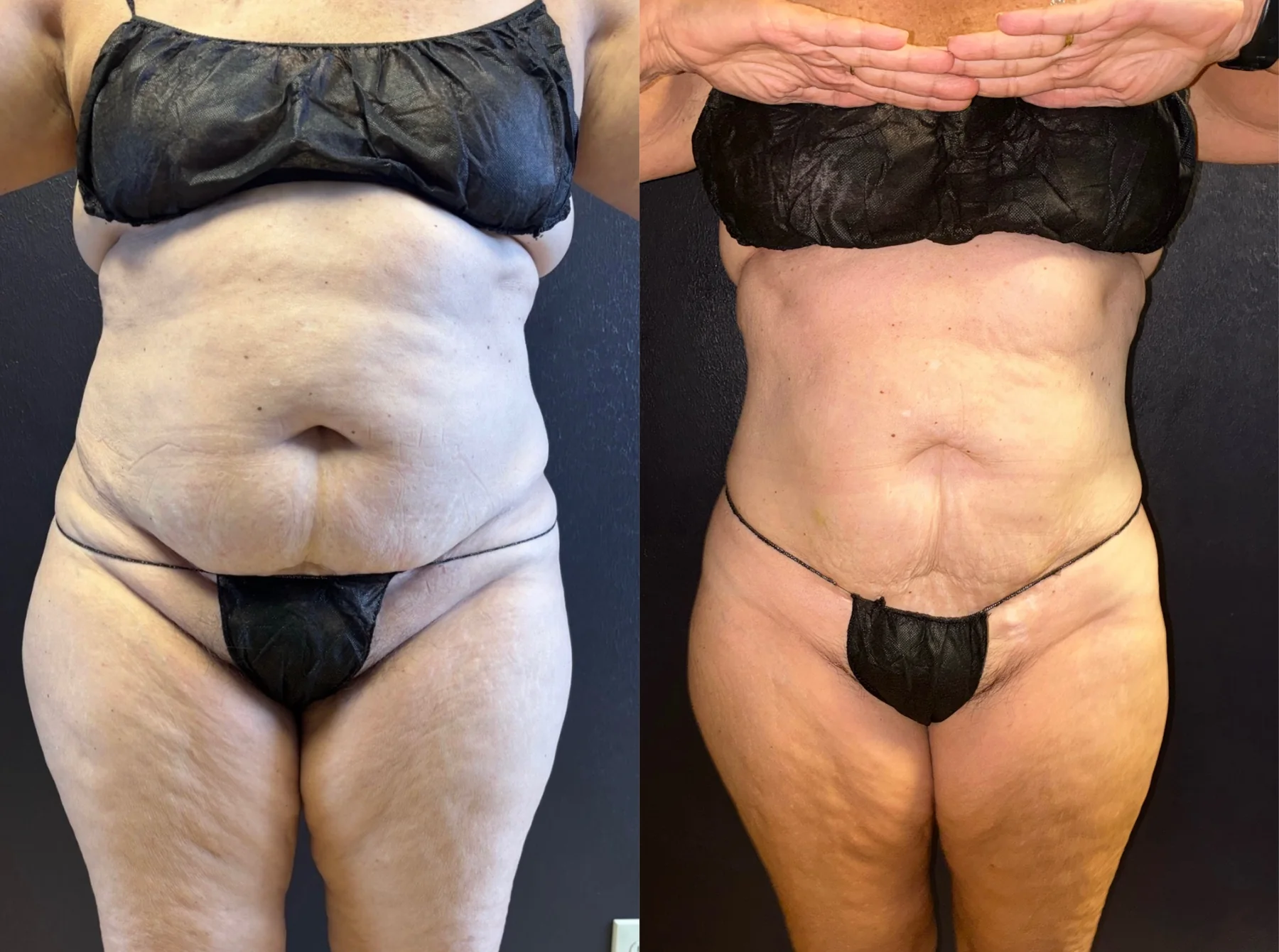
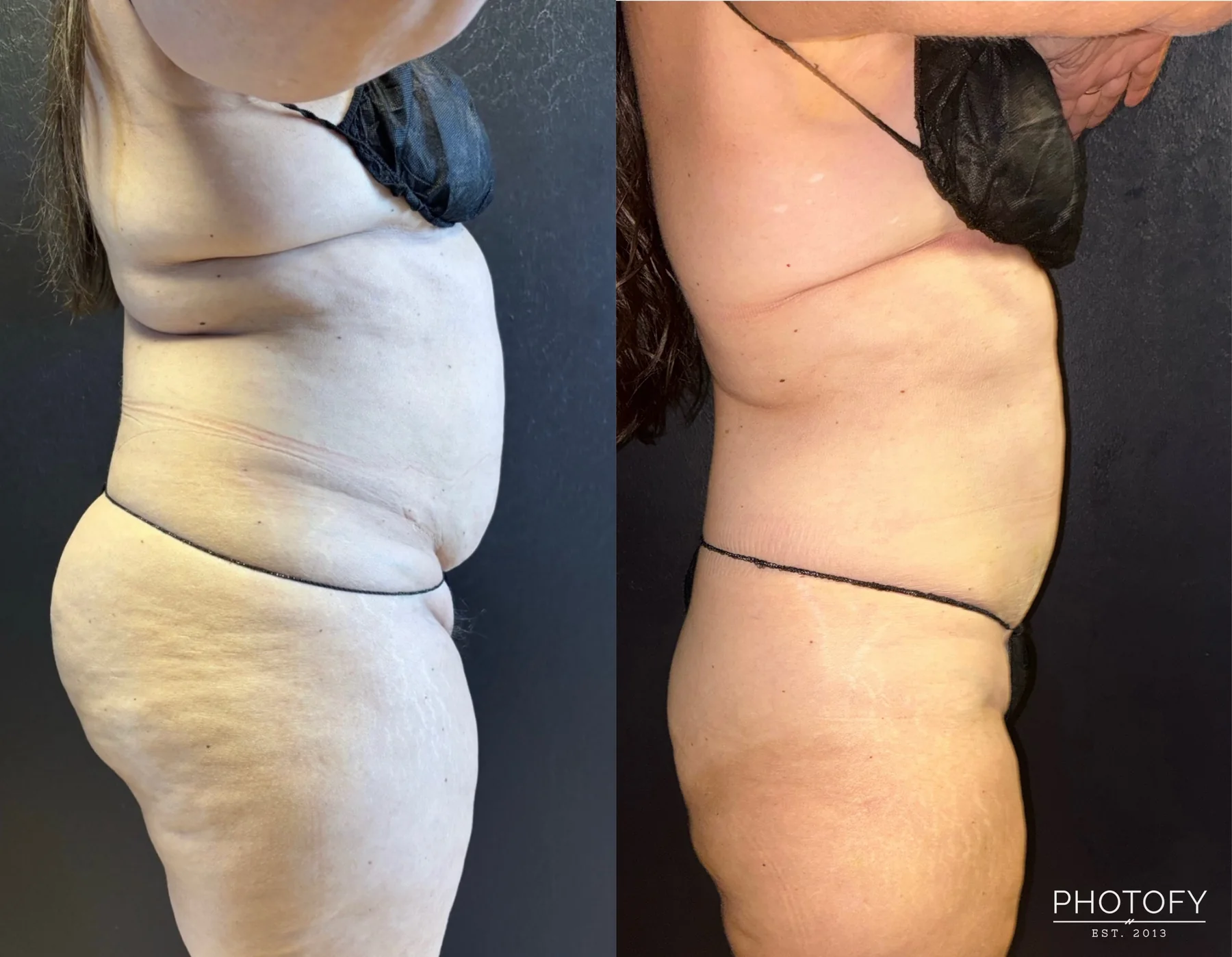
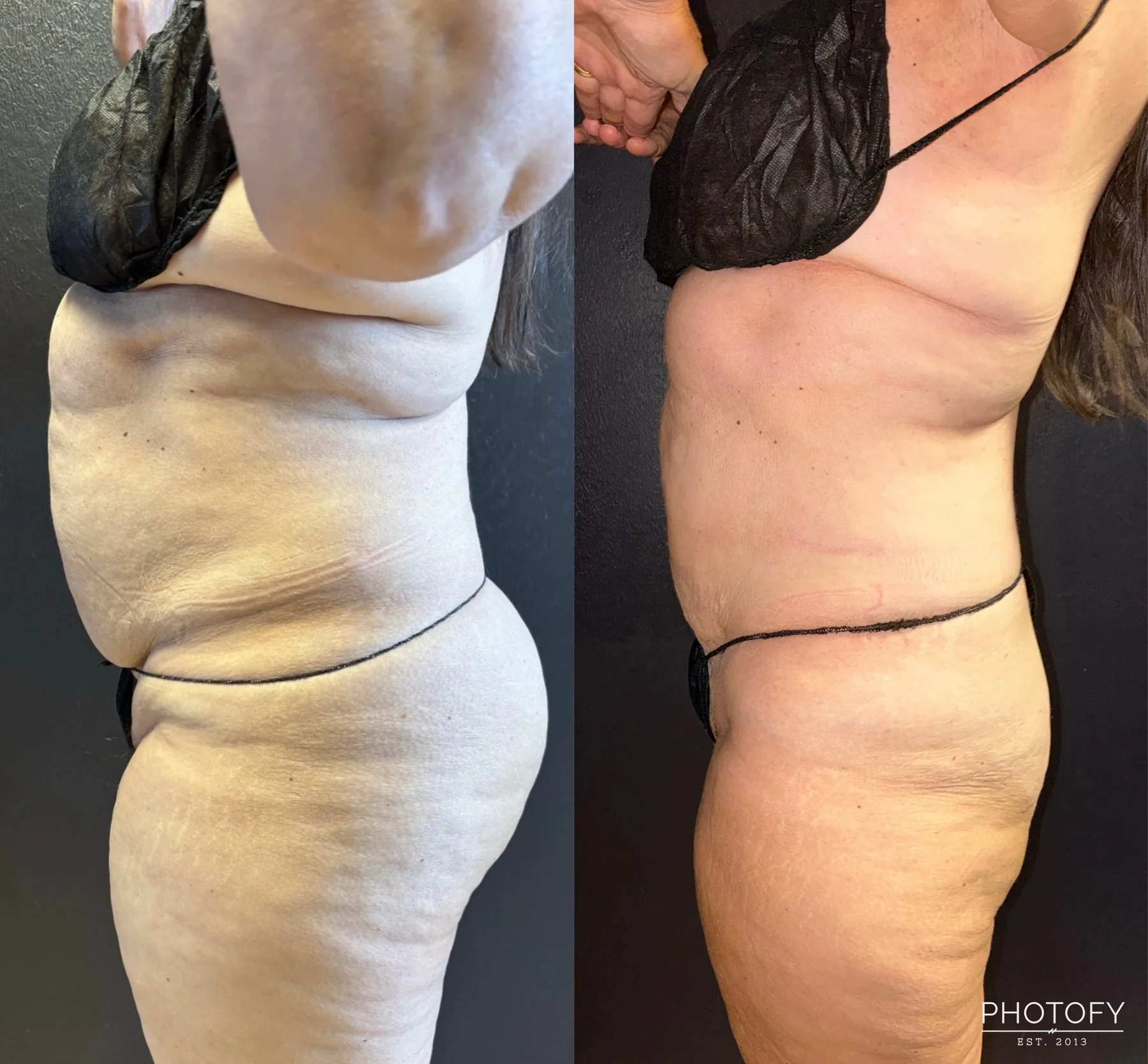
Body-transformation case. The treatment history includes two SculpSure treatments; multiple factors or treatments may contribute to the visible result. This is not presented as a medication-only or SculpSure-only result. Individual results vary.
One journey, different layers
Face
Significant weight loss can reveal facial volume changes, skin laxity, jawline changes and neck laxity.
Body
As weight and body composition change, patients may separately evaluate localized fat, skin quality, abdominal shape, muscle tone and tissue laxity.
You can pursue weight loss while still paying attention to what is changing along the way. Aesthetic treatment is never assumed to be necessary.
Whole-transformation framework
01
Medical weight management addresses overall weight and metabolic goals.
02
Track body composition instead of assuming every lost pound represents fat.
03
Substantial weight loss can make facial volume loss and skin laxity more noticeable.
04
As weight stabilizes, loose or crepey body skin, localized fat, shape and muscle tone can be evaluated separately — each points to a different kind of treatment.
Weight loss first. Then identify what actually remains.
Different goals
Addresses overall weight and body composition and requires appropriate medical evaluation.
Addresses selected localized aesthetic concerns. Grace options may include SculpSure, LIPOcel, LipoDissolve, DreamBody Sculpting, Morpheus8 Body and EvolveX; none substitutes for medical weight loss.
“Ozempic face” is a popular term for facial changes that may become more noticeable after substantial weight loss—particularly facial volume loss, skin laxity or both. Grace evaluates what actually changed rather than treating it as one problem.
Your care pathway
Step 1
Discuss goals, health history and previous weight-loss experience.
Step 2
Complete an appropriate assessment of candidacy with the medical team.
Step 3
Record weight and InBody body-composition information when appropriate.
Step 4
Build medication, nutrition and supportive recommendations around the patient.
Step 5
When prescription treatment is appropriate, dosing and titration are individualized.
Step 6
Review progress, tolerability, nutrition, hydration, body composition and lean-mass trends.
Step 7
As the body changes, separately evaluate the face, skin, localized fat, muscle tone and contour if desired.
Medical context
Gastrointestinal side effects may occur, including nausea, vomiting, diarrhea or constipation. Suitability depends on medical history; patients should disclose medications and relevant conditions, and titration should be individualized.
Concerning or severe symptoms require appropriate medical evaluation. Website education cannot replace individualized medical advice.
Direct answers
Evidence & further reading
Flexible options
Start with the whole picture
You don't need to decide which medication or treatment is right before walking in. Start with your goals, medical history and baseline body composition. We'll help determine the appropriate next step from there.
Austin, Texas · Personalized treatment planning · Ongoing follow-up
Visit
Grace MedSpa and Body Solutions treats patients from one Austin location, convenient to Northwest Hills, Allandale, Rosedale and the Domain. Patients also visit from West Lake Hills and Lakeway.
Hours