
Traditional scale
- Total body weight
- One number, no context
- Cannot show what changed
Body composition analysis in Austin
A scale can tell you that your weight changed. It can't tell you whether that change came primarily from fat, muscle, or other components of body composition.
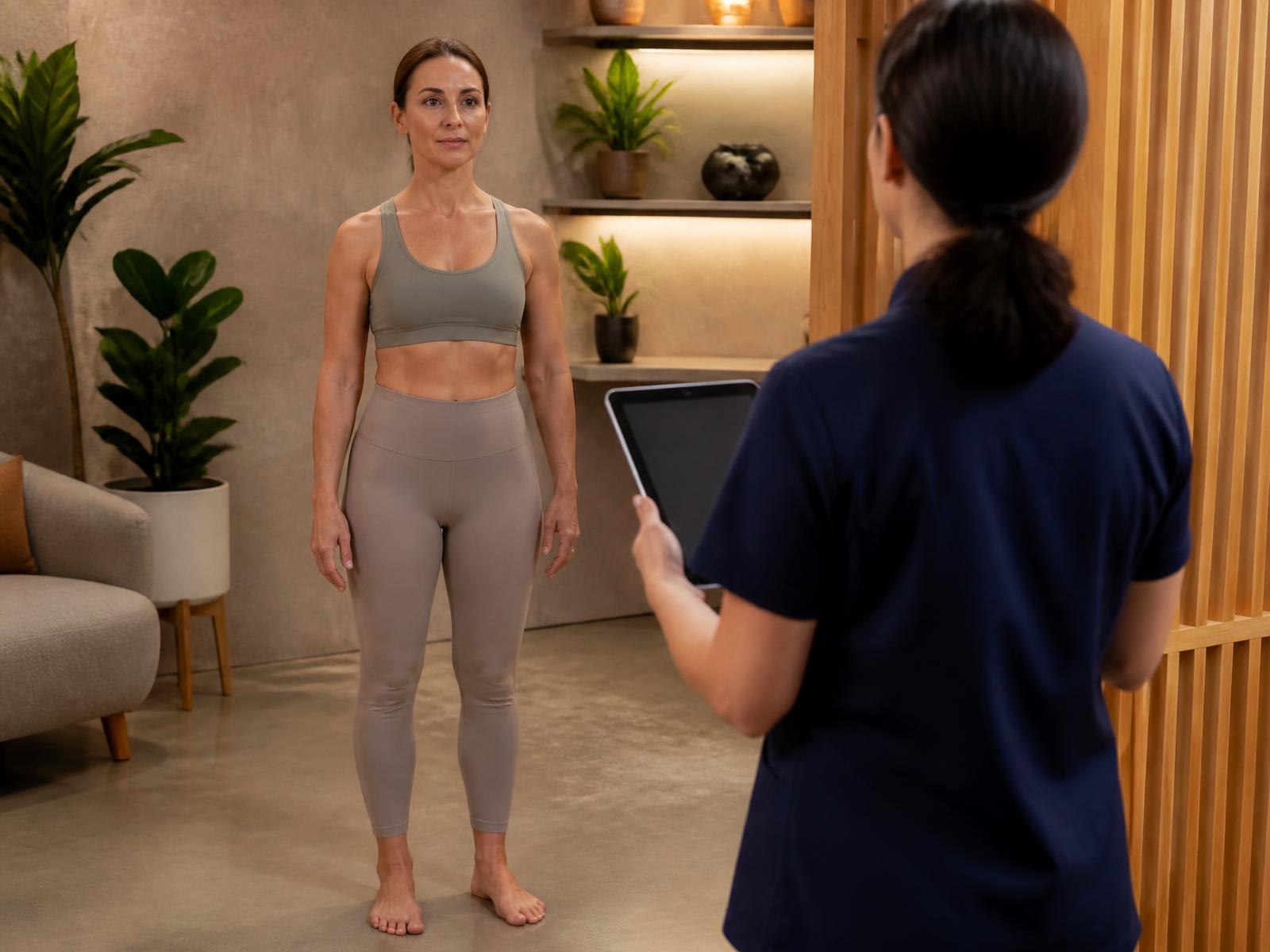
At Grace MedSpa, InBody analysis is built into our body contouring and medical weight-loss journeys so we can establish a baseline, follow meaningful changes over time, and make better-informed decisions throughout your plan.
Standalone option
InBody is built into Grace's body-contouring and weight-loss assessment process. If you only want a body-composition scan without pursuing another treatment or program, a standalone InBody scan is $45.
Complimentary body consultation · Austin
Tell us what you want to measure. Grace will explain what your scan can and cannot show.
Offer ends in
--
Hours
--
Minutes
--
Seconds
The scale doesn't tell the whole story
Total body weight is one number. Body composition is what that number is made of — and it matters both aesthetically and during weight loss. The scale tells you how much you weigh. InBody helps us understand what that weight is made of.
InBody for body contouring
Grace uses InBody evaluation before body contouring treatment and continues using it during the journey. It is one objective layer alongside consultation, visual assessment, photographs, physical examination, measurements, your goals and your response over time — never the sole basis for choosing a treatment.
01
InBody analysis alongside photographs, measurements, physical assessment and your goals — before any treatment begins.
02
Excess fat, muscle definition, overall body composition, skin laxity or a combination. InBody informs the picture; it does not diagnose skin laxity or pick a device by itself.
03
Available modalities are considered against the actual concern in front of us — concern before device, measurement before assumptions.
04
Repeat InBody measurements during your body-contouring series add objective context to photographs and how clothes fit.
05
Objective composition trends help the team refine the plan instead of relying on body weight or impressions alone.
Where body composition is the concern, the plan may involve treatments such as EvolveX for muscle toning or other options from the Body Contouring & Sculpting menu — chosen after assessment, not from a printout.
InBody during weight loss
If someone loses 20 pounds, “20 pounds lost” does not tell the entire story. The composition of that change matters. Grace's goal is meaningful fat loss while supporting preservation of healthy lean mass — and repeated body-composition measurements help the team see trends and make better-informed adjustments.
01
Establish your starting body composition before the journey begins.
02
Repeat measurements at meaningful checkpoints during treatment.
03
Evaluate fat-mass and lean-mass trends, not just the total.
04
Where appropriate, trends contribute to conversations around protein, calories, resistance exercise, activity, adherence and the broader weight-management strategy.
A lower number on the scale isn't the only goal. Better body composition is the bigger picture.
InBody results are considered alongside your history, goals, progress and provider assessment. A scan does not diagnose medical conditions, and no single measurement independently dictates calories, protein, medication or exercise decisions.
See how this fits the full program on the Medical Weight Loss page, or explore Weight & Wellness at Grace.
The assessment itself
You use the analyzer according to the device protocol — a noninvasive, fast and repeatable process. The analyzer uses bioelectrical impedance analysis (BIA) to estimate components of body composition.
BIA is an estimate, not a perfect measurement. Its real value is in trends: repeated measurements over time give a more useful picture than any single reading.
Hydration, food intake, exercise and other variables can affect BIA measurements. Keeping testing conditions consistent from visit to visit improves the usefulness of the comparisons — which is why Grace treats InBody as a trend tool rather than a one-time verdict.
Your numbers in context
Grace does not treat an InBody printout in isolation. It is evaluated alongside your goals, relevant medical and weight-loss history, physical assessment, photographs, circumference measurements when appropriate, treatment history and your response over time.
Fat mass and body-fat percentage, followed as trends rather than single readings.
The muscle tissue Grace aims to help protect during weight loss.
The non-fat component of your weight — a key part of the bigger picture.
How mass is distributed across body segments, where the report supports it.
Still tracked — just never interpreted on its own.
Where supported by the report, reviewed as context — never as a diagnosis.
Two journeys, one measurement system
Body contouring
Measure → Treat → Reassess
InBody helps us monitor the body composition behind the aesthetic changes we're working toward.
Explore Body ContouringMedical weight loss
Measure → Lose → Protect → Adjust
InBody helps us look beyond scale weight and monitor whether body-composition trends are moving in the direction we want.
Explore Medical Weight LossQuestions
Whether your goal is body contouring or medical weight loss, the first step is a consultation — with objective baseline measurement built into the journey from the start.
Visit
Grace MedSpa and Body Solutions treats patients from one Austin location, convenient to Northwest Hills, Allandale, Rosedale and the Domain. Patients also visit from West Lake Hills and Lakeway.
Hours