
Spectra Laser Toning | Melasma & Pigmentation
$249
Single treatment for provider-approved laser toning.
Lutronic Spectra · 1064 + 532 nm Q-Switched Nd:YAG · Austin
Grace MedSpa uses Lutronic Spectra laser toning to treat provider-approved facial melasma, diffuse hyperpigmentation, sun-related discoloration and selected dark spots with customizable 1064 nm and 532 nm Q-switched Nd:YAG wavelengths.
Spectra Laser Toning
$249 single treatment
Series of 6 · $1,499
Series of 6: purchase the six-treatment package today; individual treatment appointments are scheduled separately.
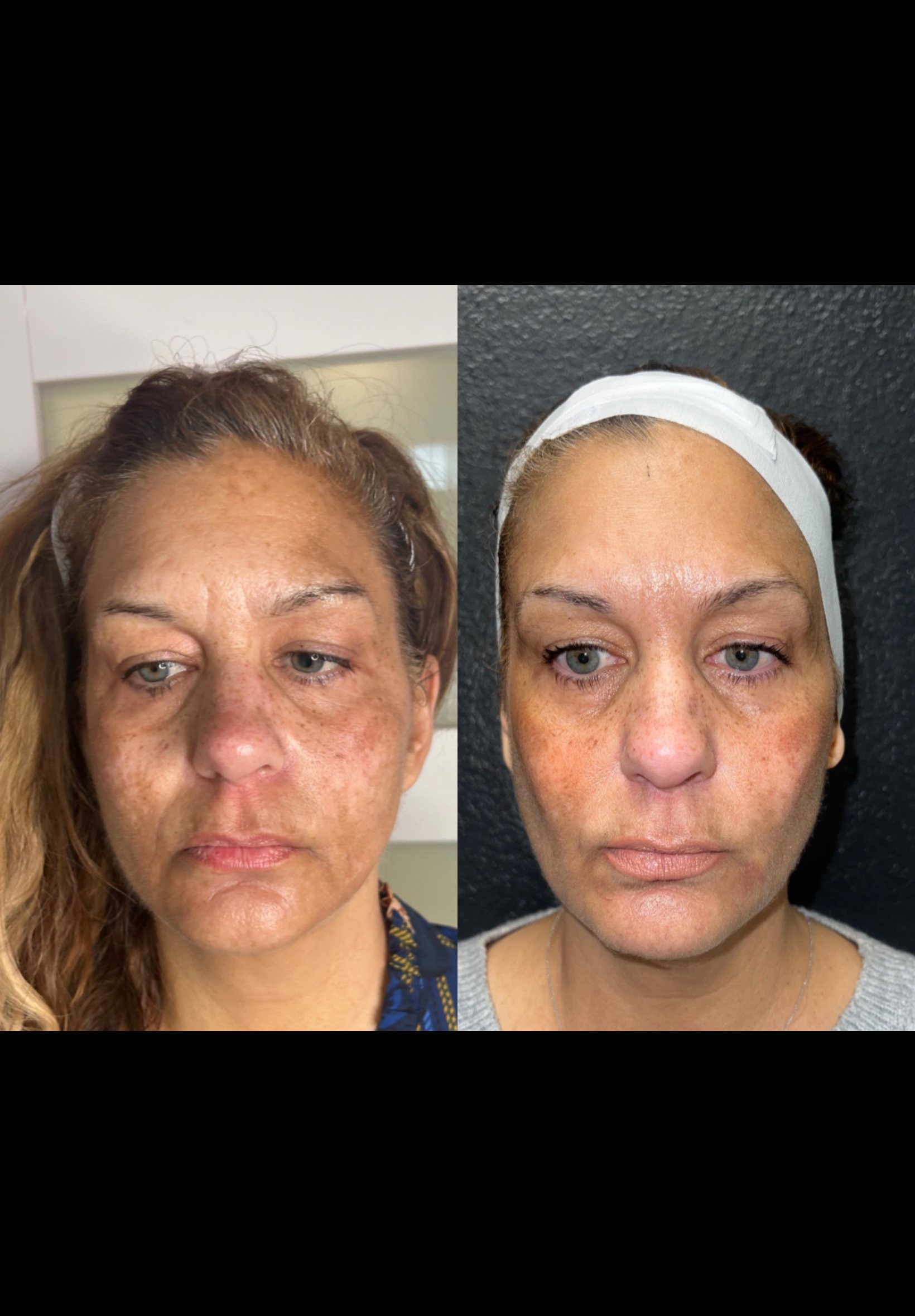
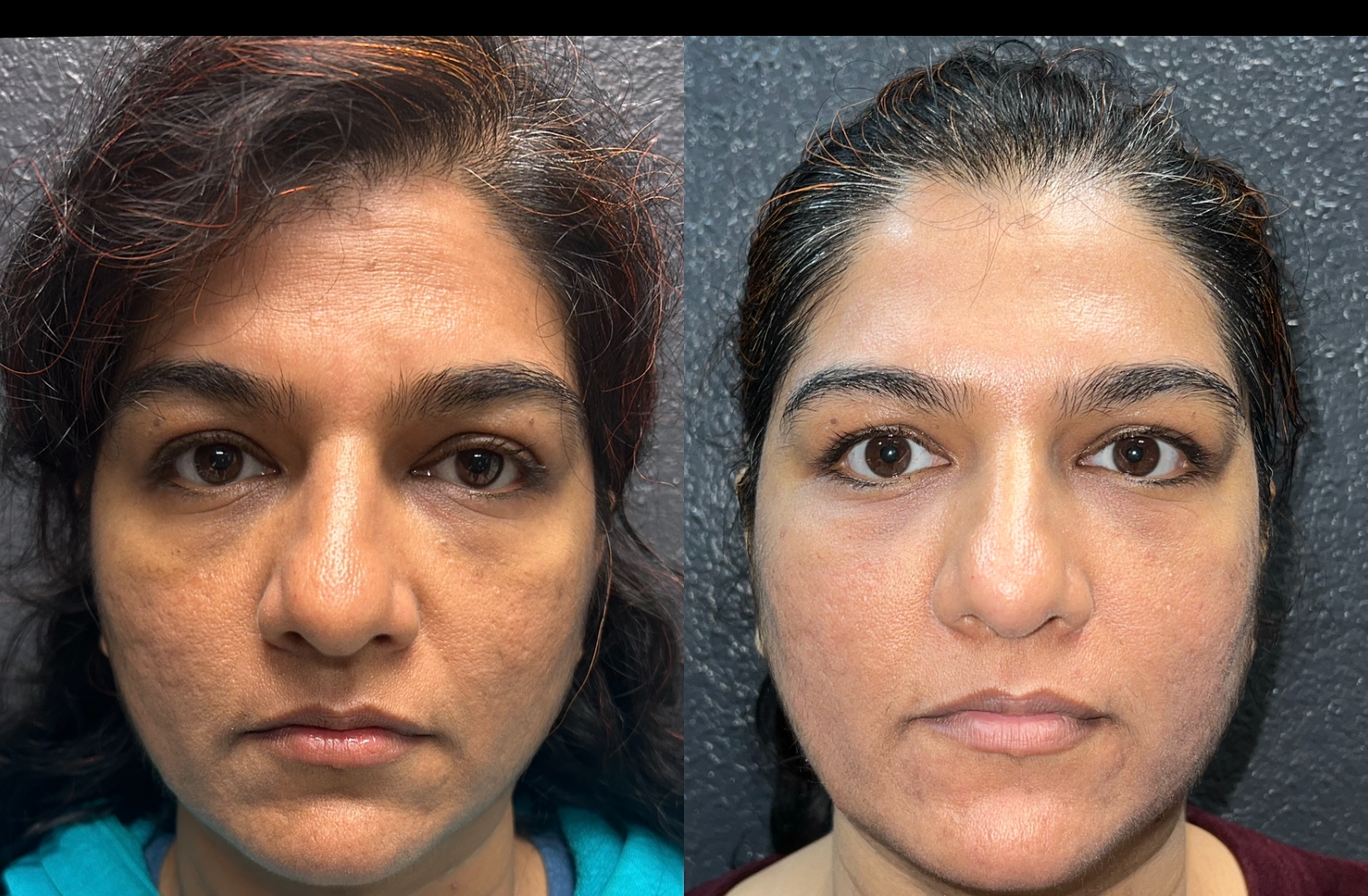
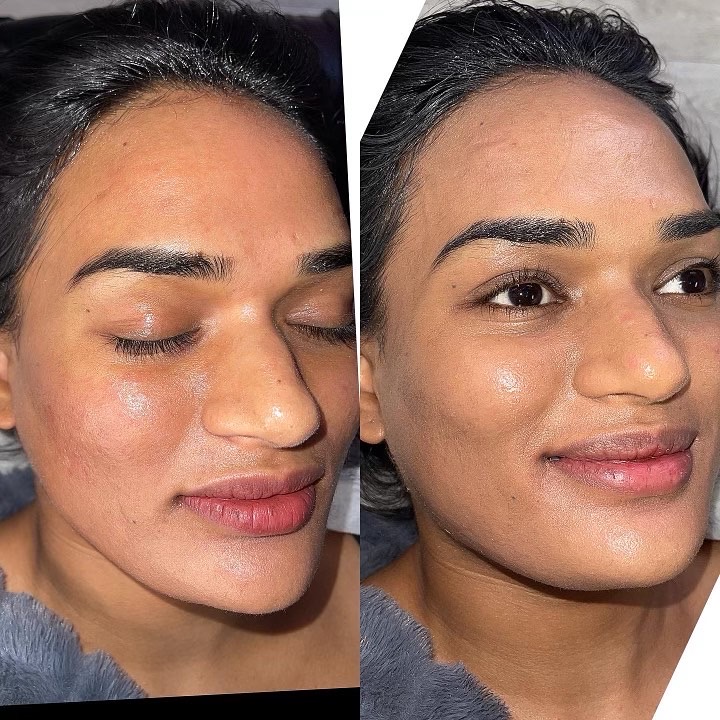
Real Grace results
At a glance
Clear pricing
$249
Single treatment for provider-approved laser toning.
$1,499
Active Boulevard package for a gradual pigment-focused course.
$249
Staff-book only after evaluation; an additional approved target may be $75 when clinically appropriate.
$100
$100 credit toward a qualifying skin treatment purchased within 30 days.
Series of 6: purchase the six-treatment package today; individual treatment appointments are scheduled separately.
Targeted pigment is staff-book only after evaluation. The Glimpse consultation is an assessment fallback, not a required barrier when direct Spectra toning is appropriate.
Complimentary skin consultation
Tell us what you want to improve. Your complimentary consultation will help determine whether Spectra toning, targeted pigment treatment, or another approach fits.
Offer ends in
--
Hours
--
Minutes
--
Seconds
Melasma treatment is different
Melasma is chronic and relapse-prone. UV exposure, visible light, heat, hormonal factors and individual biology can all influence how it behaves.
Diffuse facial melasma is different from one isolated solar lentigo, sun spot or freckle. Aggressive pigmentation treatment can worsen discoloration, especially when skin type, recent sun, medications or pigment depth are ignored.
That is why Grace presents Spectra as treatment plus photoprotection, skincare and maintenance when appropriate — not a one-and-done promise to erase pigment forever.

Why Grace
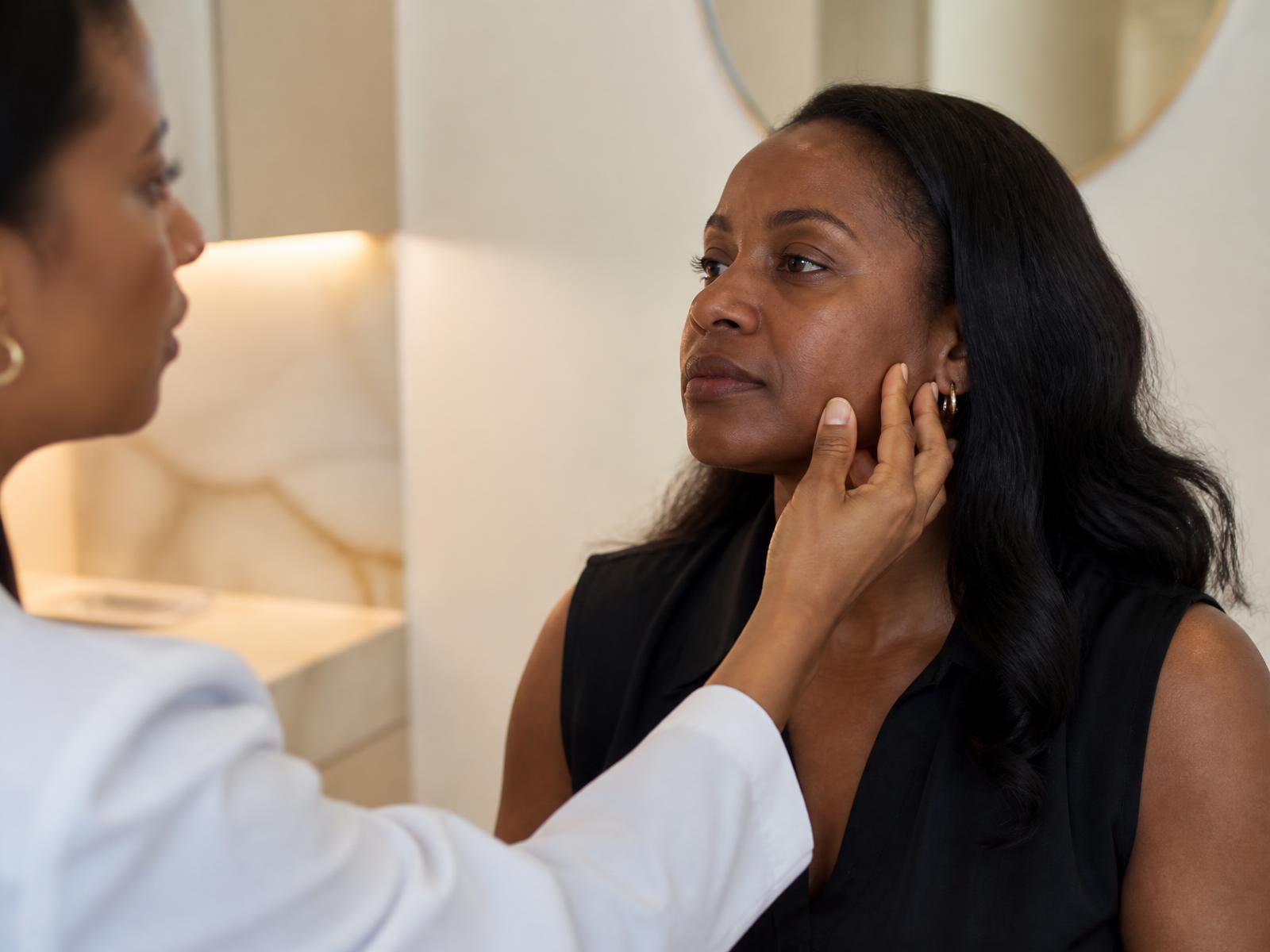
Grace evaluates Fitzpatrick type, recent sun exposure or tanning, the visible pigment pattern, likely depth, prior PIH history, suspicious lesions, medication history and products that may increase light sensitivity.
The provider chooses wavelength, mode and settings according to the skin in front of them. Because Grace also works with MultiFrax, Morpheus8, Carbon Laser Peel and skin-lightening plans, the team can say when Spectra is not the right mechanism.
The safest pigment plan starts by naming the pigment correctly.
Two wavelengths
Used in the melasma and diffuse pigment laser-toning context. It has deeper optical penetration and lower melanin absorption than 532 nm, so it is often used more conservatively across a broader candidate range.
Used for selected superficial or epidermal pigmented lesions in appropriate candidates. Grace does not treat every brown spot as a laser target.
Laser toning mechanism
01
Conservative Q-switched laser toning is delivered across the approved treatment area.
02
Pigment absorbs laser energy and a photoacoustic effect helps disrupt visible discoloration.
03
Tone changes develop over repeated treatment while light protection and skincare support the result.
Treatment experience
Patients commonly feel warmth or light snapping during laser passes. Appointment time depends on the treatment area and assessment, and your provider reviews makeup timing, sun exposure and aftercare for your plan.
Many patients have minimal social downtime after toning.
Temporary redness, dryness, sensitivity or pigment darkening can occur.
Sun protection is not optional after pigment treatment.
Recent tanning or irritation can delay treatment.
Timeline
One session is not the right expectation for melasma. Grace's active Spectra toning package is six treatments because pigment response is gradual and variable.
Broader 1064-nm QS Nd:YAG melasma literature includes protocols using repeated sessions; one 34-patient study used 6–10 sessions every 2 weeks. That is a published study protocol, not a universal Grace prescription.
Current package
Series of 6 · $1,499
Six Lutronic Spectra laser-toning treatments for provider-approved melasma or pigmentation concerns. Maintenance may be discussed because recurrence can occur.
Purchase the six-treatment package today; individual treatment appointments are scheduled separately.
Recurrence and maintenance
Published 1064-nm QS Nd:YAG data show why. In one 34-patient study, mean mMASI improved from 6.7 to 3.2 after treatment, but 58.8% had recurrence by one year.
That evidence is broader 1064-nm melasma literature, not a Grace outcome guarantee or a Spectra-only promise. It supports the honest plan: treatment, sunscreen, visible-light protection when appropriate, skincare, dermatology collaboration when indicated and maintenance discussion.
Regulatory and evidence sources
FDA 510(k) K113588 includes a 1064 nm melasma indication and documents the SPECTRA platform with 1064 nm and 532 nm wavelengths.
A 34-patient study reported mMASI improvement after repeated low-fluence 1064-nm QS Nd:YAG sessions, with recurrence common at one year.
A systematic review/meta-analysis found clinical benefit but mixed evidence, reinforcing combination strategies and caution.
Compare Grace options
A melasma laser treatment and fractional resurfacing solve different problems. Spectra focuses on facial pigmentation and laser toning; MultiFrax focuses on texture, photodamage and selected scars.
Best conversation
Melasma and diffuse facial pigmentation
Technology
Q-switched Nd:YAG laser toning
You are here
Best conversation
Selected localized pigment after evaluation
Technology
Provider-selected Spectra settings
You are here
Best conversation
Glow, oil, visible pores and congestion
Technology
Carbon-assisted Spectra refresh
ExploreBest conversation
Texture, photodamage and selected scarring
Technology
Fractional laser resurfacing
ExploreBest conversation
RF remodeling, laxity and selected scarring
Technology
RF microneedling
ExploreSafety
This is high-level screening, not a consent form. Grace may delay treatment or recommend medical evaluation when pigment is suspicious, changing or not clearly cosmetic.
Same platform, separate uses
Glow, surface oil, congestion and visible pores.
Provider-approved localized pigment, staff-booked after evaluation.
A separate treatment path and expectation set.
Different areas, different safety and treatment logic.
Common questions
Final step
Start with Spectra laser toning for provider-approved melasma or facial pigmentation: $249 for a single treatment, or $1,499 for the six-treatment series.
Series of 6: purchase the six-treatment package today; individual treatment appointments are scheduled separately.
Visit
Grace MedSpa and Body Solutions treats patients from one Austin location, convenient to Northwest Hills, Allandale, Rosedale and the Domain. Patients also visit from West Lake Hills and Lakeway.
Hours